Pay by Phase: Why We Bill Projects in Stages
Phase billing is not free. It asks for more up-front planning, and a badly sliced project can feel like a series of small invoices. Our answer is to agree phases clearly at the start and to keep the invoice and the work together on one screen, so the connection is obvious.

How a project is paid for shapes how it is run. We bill ours in phases, and we built our Console to make that feel natural rather than bureaucratic.
How it works
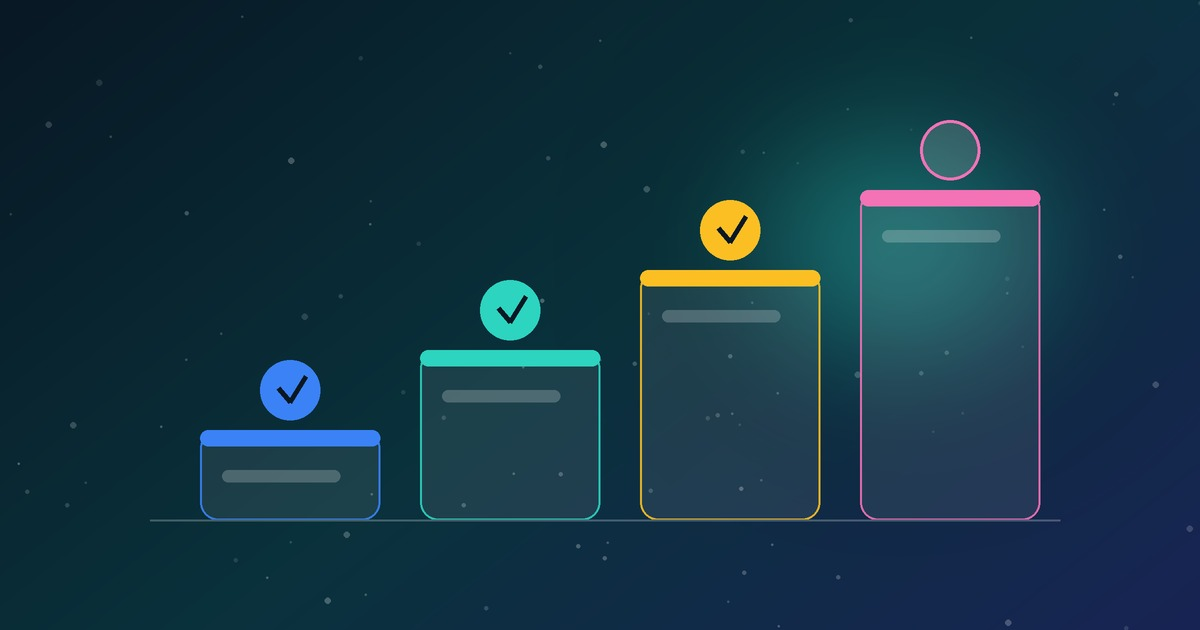
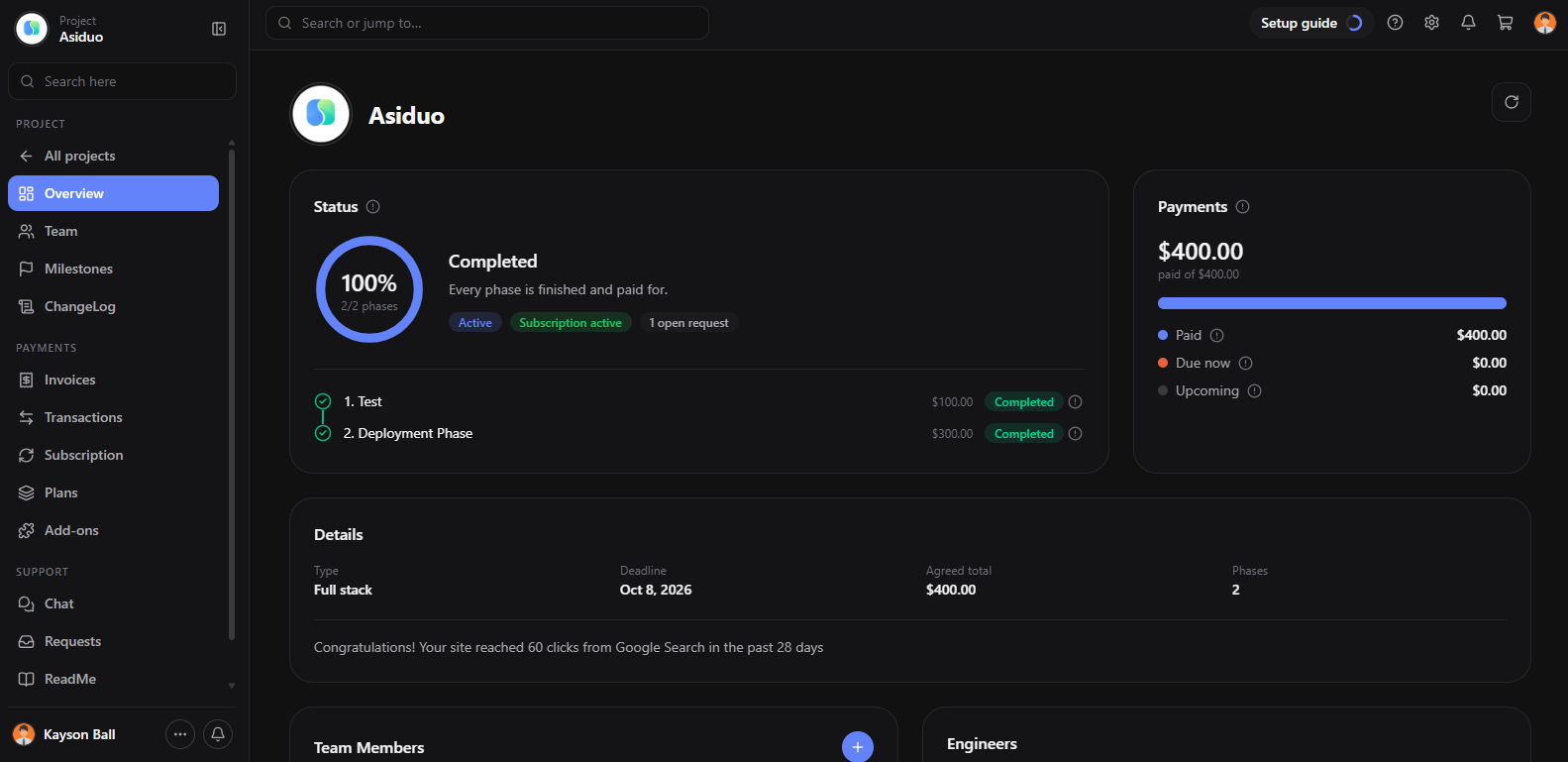
A project is split into ordered phases. Each phase has one invoice, and work on a phase begins once that invoice is paid. The client sees the phase, what it covers and what is due, in the same place they follow the work.
Why we like it
-
It keeps scope honest. A phase is a small, describable chunk of work. If it needs to change, we talk about it before money moves, not after.
-
It lowers the risk on both sides. The client never pays far ahead of progress. We never deliver far ahead of payment. Neither of us is carrying a large unknown.
-
It makes progress visible. Every finished phase leaves a trail: a changelog entry, updated documentation and, where agreed, the source code. A phase is signed off by a person on our side, not marked done by a tool.
-
It makes ongoing care clear. Maintenance runs as a separate subscription tied to the project. It continues after delivery until the client chooses to cancel, following the normal billing period.
What can go wrong
Phase billing is not free. It asks for more up-front planning, and a badly sliced project can feel like a series of small invoices. Our answer is to agree phases clearly at the start and to keep the invoice and the work together on one screen, so the connection is obvious.
A question for your own business
If a client asked you today, "what have I paid for and what have I received?", could you answer in one minute? If not, the fix may not be a better report. It may be a billing rhythm that matches the delivery rhythm.
We will share what we learn as more projects run this way.