Agentic AI Explained: What Founders Need to Know Before Building
"AI agent" gets thrown around a lot right now. Here's what it actually means, what's real versus hype, and what it means for your product roadmap.

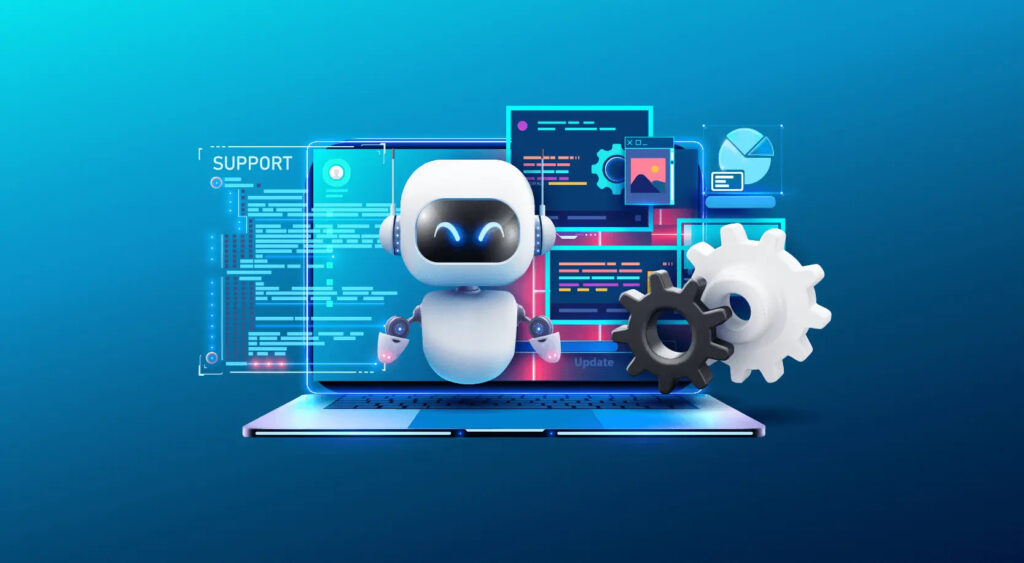
If you've been anywhere near a tech conference or LinkedIn feed in the last year, you've heard the phrase "agentic AI" more times than you can count. Analysts are calling 2026 the year AI moves from pilot projects to production at scale, and agents are the centerpiece of that shift. But the term gets used so loosely that it's worth stopping to ask: what actually is an AI agent, and does your product need one?
Assistant vs. agent: the real difference
An AI assistant answers questions. You ask, it responds, the interaction ends. A chatbot that helps a customer find their order status is an assistant — useful, but reactive.
An AI agent does something different: it takes a goal, breaks it into steps, and acts on your behalf across multiple tools or systems without you supervising every move. Book the flight, then the hotel, then email the itinerary — an agent chains those actions together and adapts when something doesn't go as planned (a flight sells out, so it looks for alternatives).
That autonomy is the whole point, and it's also the whole risk. An assistant that gives a wrong answer is annoying. An agent that takes a wrong action — sends the wrong email, books the wrong reservation, deletes the wrong record — has real consequences.
Why 2026 is different from the last two years of AI hype
Earlier waves of AI adoption were mostly about generating content: text, images, code snippets. That's valuable, but it's still a human reviewing and approving every output. Agentic systems close that loop — they're built to complete a task end-to-end, which means the bar for reliability, guardrails, and error-handling is much higher than "does this text sound plausible."
This is also why so much of the current conversation is about monetization rather than novelty. The chatbot phase proved AI could be interesting. The agent phase is about proving it can be trusted with real operational responsibility — and trust, unlike novelty, has to be earned incrementally.
What this actually means if you're building a product
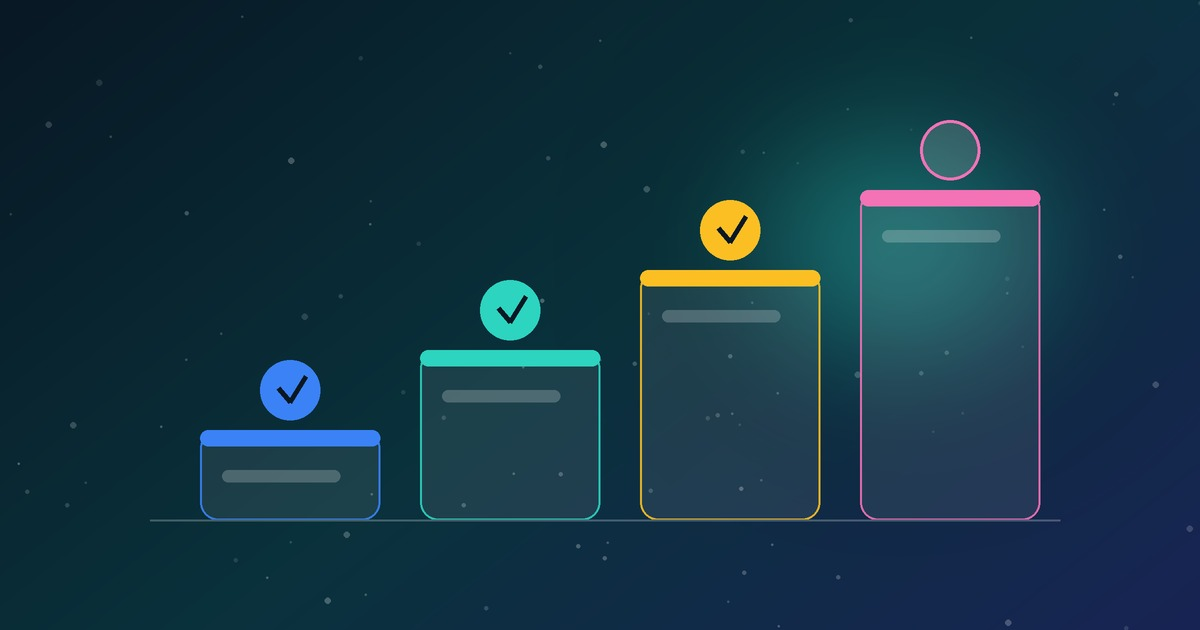
Before reaching for "let's add an agent," it's worth separating three very different asks:
You want AI to draft something a human reviews. This is still the assistant pattern, and it's usually the right starting point. Lower risk, faster to ship, easier to evaluate.
You want AI to take a low-stakes action automatically. Tagging a support ticket, categorizing an email, flagging a record for review. This is a reasonable first step into agentic territory — the downside of a mistake is small and easily corrected.
You want AI to take a consequential action without human review. Processing a refund, modifying a customer's account, sending a message on their behalf. This is where agentic AI actually lives up to its name — and where you need real guardrails: audit logs, rollback mechanisms, and clear boundaries on what the agent is and isn't allowed to touch.
The mistake we see founders make
The most common misstep isn't choosing the wrong AI model — it's skipping straight to option three because it sounds impressive in a pitch deck, without building the scaffolding (logging, permissions, fallback behavior) that makes autonomous action safe. An agent that occasionally does the wrong thing quietly, with no audit trail, is worse than no agent at all.
Start with the lowest-risk version of the workflow you're trying to automate. Prove the AI's judgment is sound in a reviewed setting before removing the human from the loop. The order matters more than the timeline.
Where this is headed
Expect the gap between "AI agent" as a marketing term and "AI agent" as a genuinely autonomous, trustworthy system to keep narrowing through 2026 — but not disappear. The products that win here won't be the ones with the flashiest agent demo; they'll be the ones that figured out which 20% of their workflow was actually safe to automate first, and built real trust before expanding from there.
If you're weighing whether an agentic feature belongs in your roadmap this year, the question isn't "can AI do this" — it almost certainly can, in a demo. The question is what happens the first time it's wrong, and whether your product is built to catch that gracefully.