How to Choose the Right Developer for Your App Idea

Not Every Developer Is the Right Fit for Every Idea
You have an app idea, and you're ready to hire someone to build it. The instinct is to look for "a developer" — but that's a bit like looking for "a contractor" to build a house. The right fit depends heavily on what you're actually building, and hiring the wrong kind of specialist is one of the most common reasons app projects run over budget or stall out halfway through.
Here's what actually matters when you're choosing.
Figure Out What Kind of App You're Really Building
A simple app with a handful of screens and no complex backend (a portfolio app, a basic booking form, a small content app) can usually be handled well by a single generalist developer, often faster and cheaper than a full team.
An app with real-time features, user accounts, payments, or a database that needs to scale (a marketplace, a social app, anything with logins and ongoing data) usually needs someone comfortable with both the frontend (what users see) and the backend (where data lives and business logic runs) — or two specialists working together.
An app that needs to work identically on both iPhone and Android often does better with a cross-platform framework (like Flutter or React Native) than building two completely separate native apps, unless you have a specific reason to need native performance or platform-specific features.
Knowing which category you're in before you start interviewing developers will save you from a mismatched hire.
Questions That Actually Tell You Something
- "Can you show me an app you built that's live in the App Store or Play Store right now?" A finished, published, real app tells you far more than a portfolio of mockups or prototypes that never shipped.
- "What would you build this with, and why?" A developer who can explain their technology choice in terms of your specific app — not just "this is what I always use" — is thinking about your project, not just repeating their default pitch.
- "What's the one part of this app you think will be hardest to build?" A developer who's actually thought about your idea will usually have a specific, honest answer. A developer who says "none of it, it's all easy" either hasn't looked closely or is telling you what you want to hear.
- "How do you handle changes once we start building?" Requirements almost always shift a little once you see the first working version. Knowing upfront whether that's expected and how it's priced avoids a nasty surprise later.

Watch for These Warning Signs
- A quote that seems far lower than everyone else's for the same scope. It usually means something is being cut — testing, revisions, or the quality of the underlying code — not that you found a great deal.
- No questions back at you. A developer who doesn't ask about your users, your goals, or how you plan to monetize the app is scoping based on guesswork, not your actual idea.
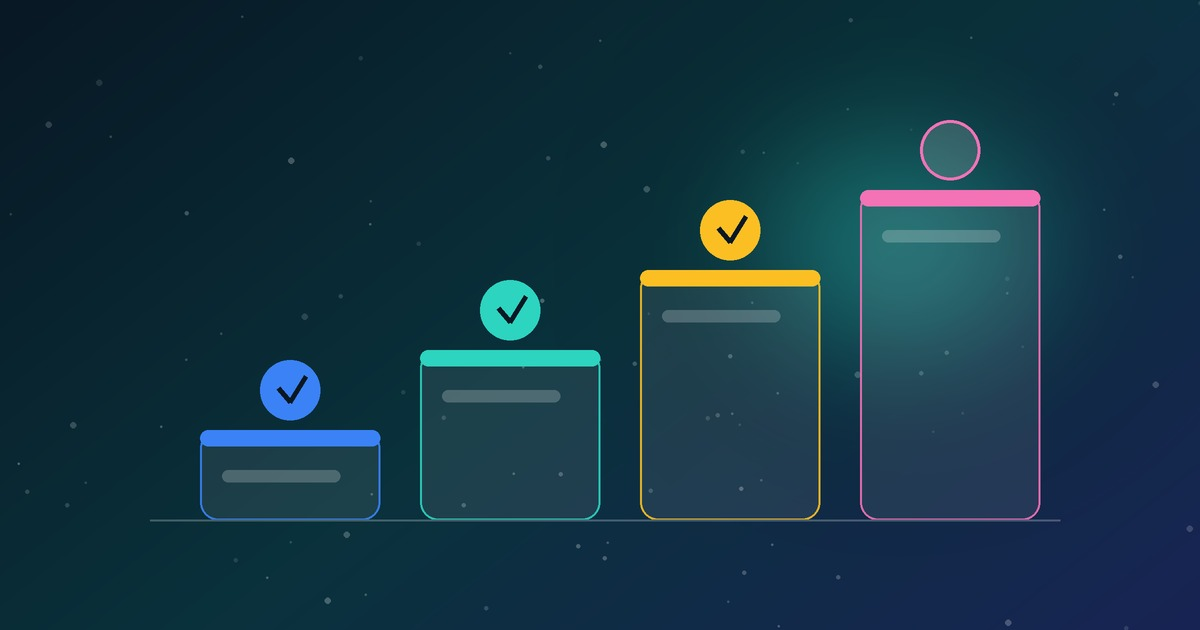
- Reluctance to break the project into milestones. Paying for the whole project upfront, with nothing checked until it's "done," is a risky structure for you. A good developer is usually comfortable breaking work into stages you can review and approve along the way.
You Don't Need to Build Everything on Day One
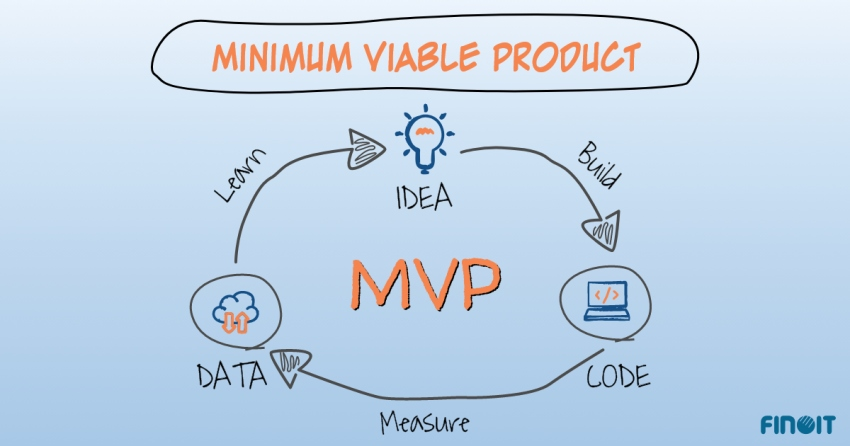
One of the most expensive mistakes in app development is trying to build every feature you can imagine before you ever launch. A smaller first version — covering the one or two things your app absolutely has to do — gets you real feedback from real users much faster and much cheaper than a fully-loaded version that takes a year to finish. Most successful apps looked nothing like their final form in their very first release, and that's exactly how it's supposed to work.
Plan for What Happens After Launch
An app isn't a one-time purchase — it needs updates, bug fixes, and occasional changes as the phones and operating systems it runs on keep changing underneath it. Ask upfront whether ongoing maintenance is included, available separately, or something you'll need to find someone else for later. Knowing the answer before you start avoids an awkward situation a few months after launch.